NDT vs Visual Inspection Explained
In construction, manufacturing, and infrastructure maintenance, inspection plays a vital role in ensuring safety, quality, and compliance. Two of the most commonly used inspection methods are Non-Destructive Testing (NDT) and visual inspection. While both are essential, they serve different purposes and offer varying levels of accuracy and depth.
Cornerstone Inspection & Thermal (https://www.cornerstonendt.com/) specializes in advanced NDT services, helping contractors, engineers, and project managers make informed decisions. Understanding the difference between NDT and visual inspection is critical for selecting the right method for your project and ensuring structural integrity.
What is Visual Inspection?
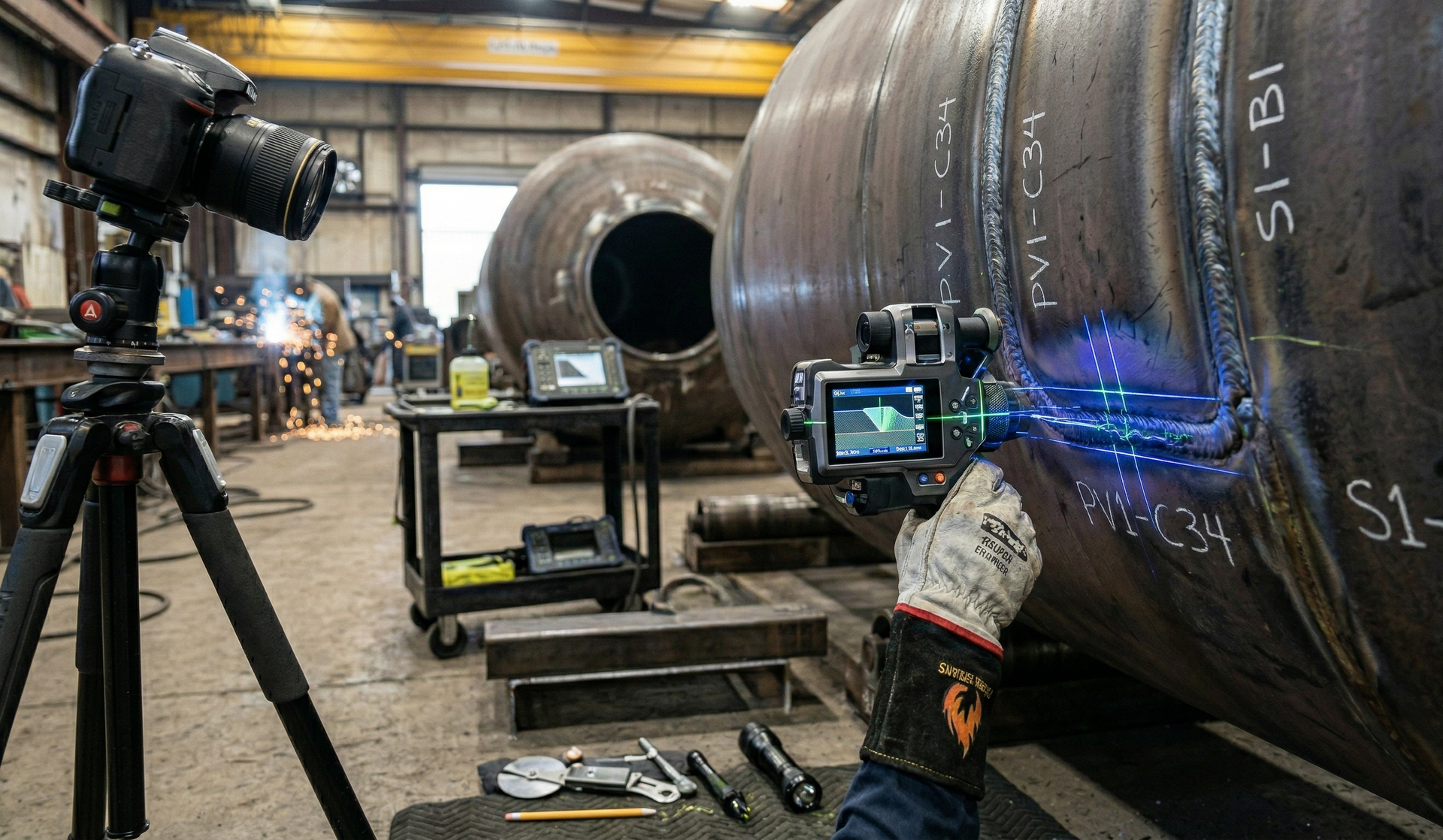
Visual inspection is the most basic and widely used method of evaluating materials, components, and structures. It involves examining a surface with the naked eye or with the aid of tools such as magnifying glasses, mirrors, or cameras.
This method is typically the first step in any inspection process because it is quick, cost-effective, and easy to perform.
Key Features of Visual Inspection
- Requires minimal equipment
- Can be performed quickly on-site
- Identifies surface-level defects
- Often conducted by certified inspectors
Common Defects Detected
Visual inspection is effective at identifying:
- Surface cracks
- Corrosion or rust
- Misalignment or distortion
- Weld defects such as undercutting or incomplete fusion
- Coating failures or paint damage
While visual inspection is essential, it is limited to what can be seen on the surface. Subsurface defects or internal flaws cannot be detected using this method alone.
What is Non-Destructive Testing (NDT)?
Non-Destructive Testing (NDT) refers to a group of advanced inspection techniques used to evaluate the internal and external condition of materials without causing damage. NDT provides a deeper level of analysis compared to visual inspection, making it indispensable for critical structures.
NDT methods are widely used in industries such as:
- Bridge construction
- Structural steel fabrication
- Oil and gas
- Aerospace
- Manufacturing
Key Features of NDT
- Detects internal and subsurface defects
- Provides precise and measurable data
- Uses advanced equipment and technology
- Requires certified and trained technicians
Common NDT Methods
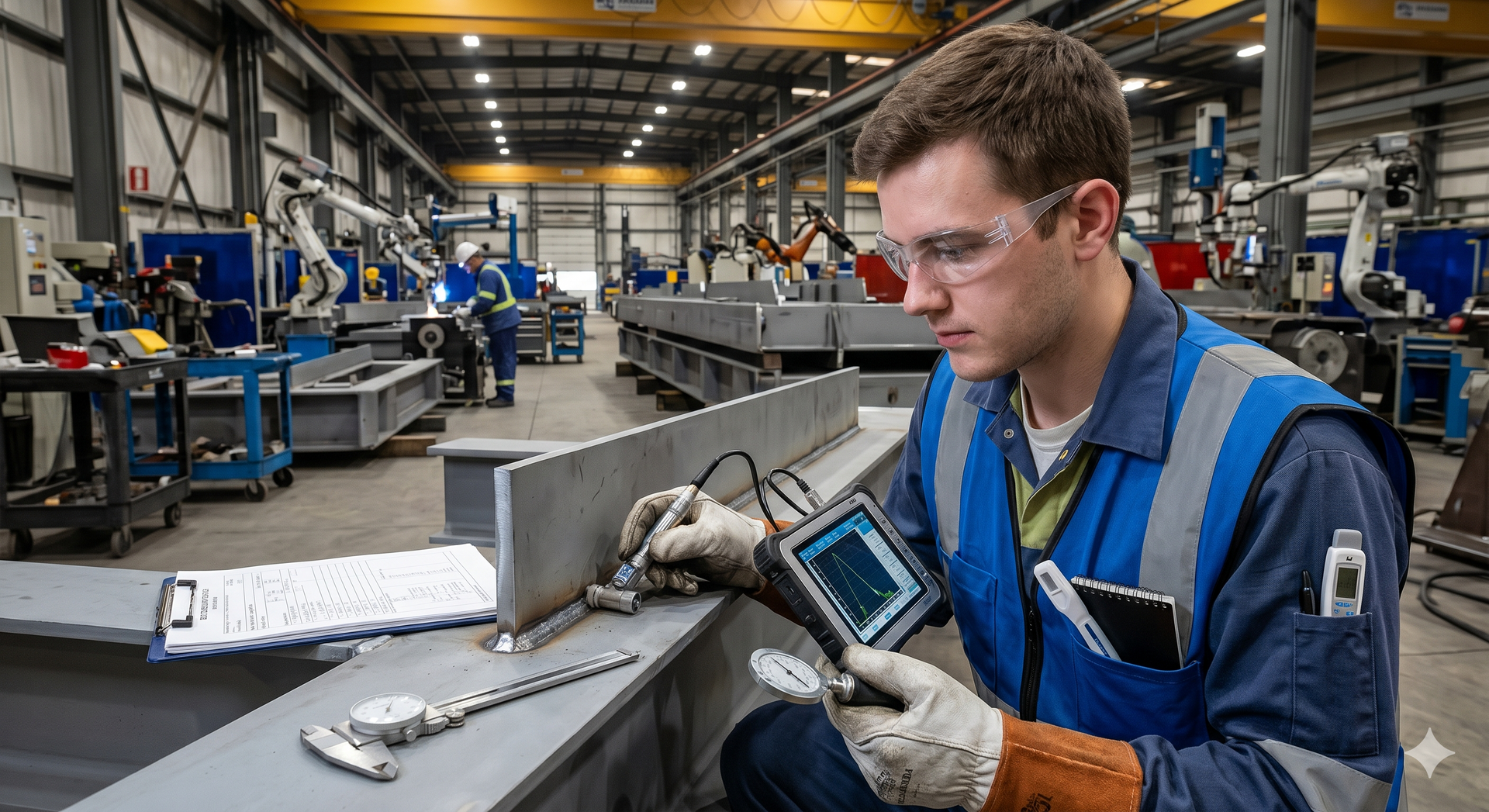
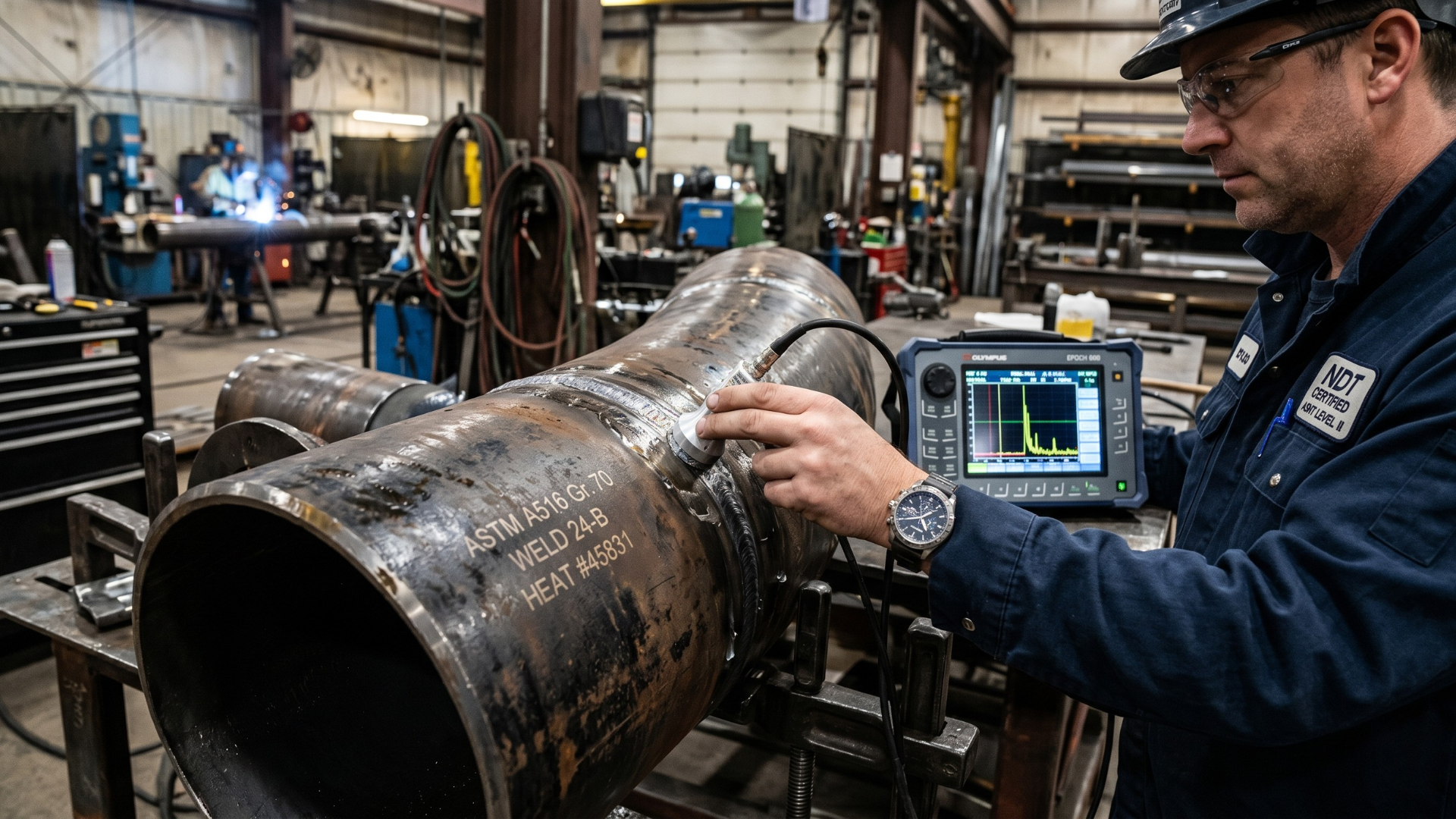
- Ultrasonic Testing (UT)
Uses sound waves to detect internal flaws such as cracks or voids. - Radiographic Testing (RT)
Uses X-rays or gamma rays to produce images of internal structures. - Magnetic Particle Testing (MT)
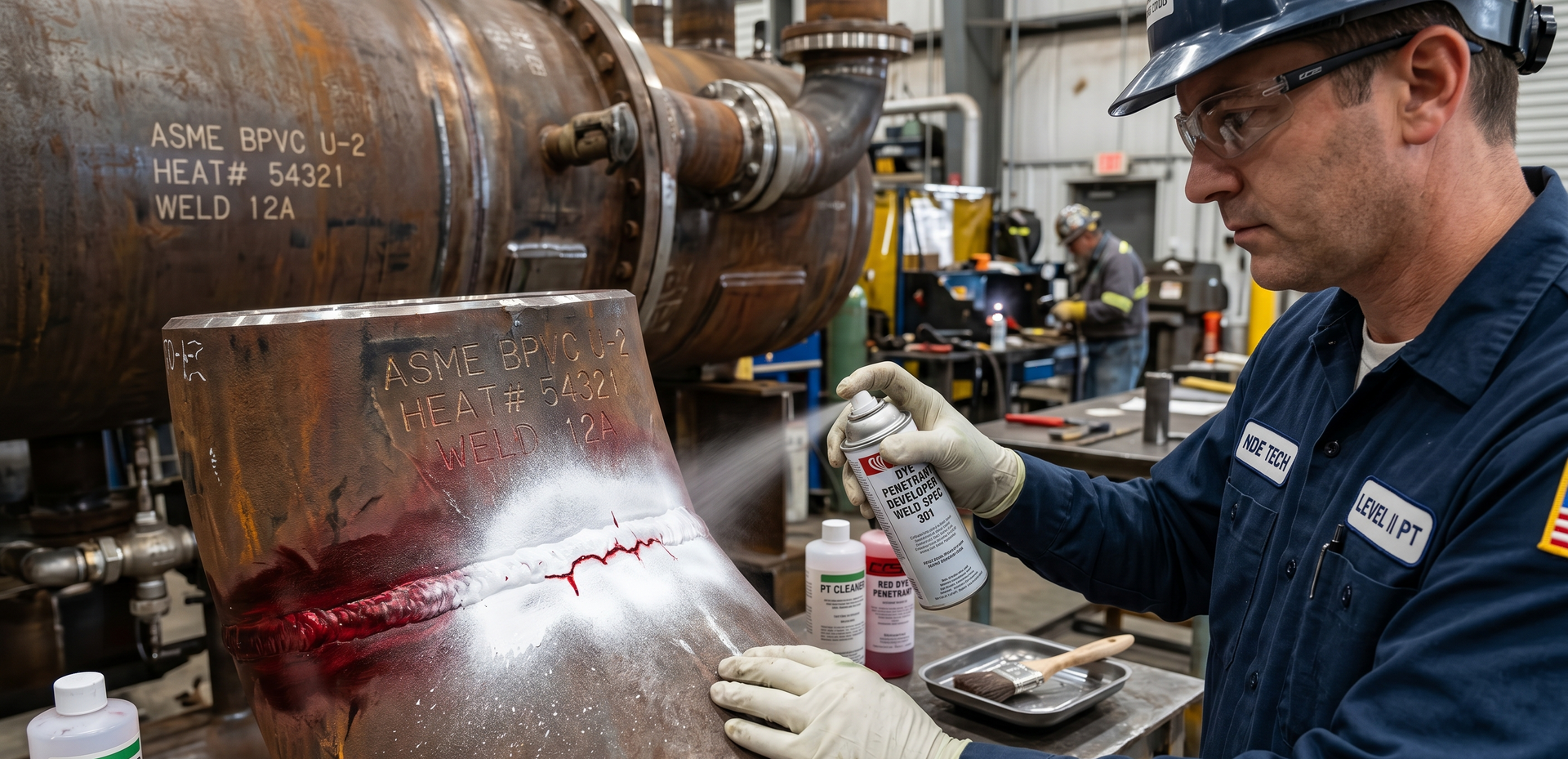
Detects surface and near-surface defects in ferromagnetic materials. - Dye Penetrant Testing (PT)
Highlights surface cracks using liquid dye. - Eddy Current Testing (ECT)
Uses electromagnetic fields to detect flaws in conductive materials.
Each method provides unique insights depending on the material and application.
Key Differences Between NDT and Visual Inspection
Understanding the differences between these two methods helps determine when each should be used.
- Depth of Inspection
Visual Inspection: Limited to surface-level observations
NDT: Can detect internal, hidden, and subsurface defects - Accuracy and Reliability
Visual Inspection: Depends heavily on inspector experience
NDT: Provides precise, measurable, and repeatable results - Equipment Requirements
Visual Inspection: Minimal tools required
NDT: Requires specialized equipment and technology - Cost Considerations
Visual Inspection: Lower upfront cost
NDT: Higher initial cost but reduces long-term repair expenses - Application Scope
Visual Inspection: Ideal for preliminary assessments
NDT: Essential for critical structures and safety-sensitive components
When to Use Visual Inspection
Visual inspection is often used as the first step in evaluating a structure or component. It is most effective in situations where:
- Surface defects are the primary concern
- Quick assessments are required
- Budget constraints limit advanced testing
- Routine maintenance checks are being performed
For example, inspectors may use visual inspection to identify corrosion on a steel beam or visible cracks in a weld before deciding whether further testing is needed.
When to Use NDT
NDT is necessary when a deeper level of inspection is required. It is commonly used in:
- Critical infrastructure, such as bridges and highways
- Structural steel connections, where internal defects can compromise safety
- Weld inspections, especially for load-bearing components
- Quality control during construction, ensuring materials meet specifications
NDT is especially important when failure is not an option. Detecting internal flaws early can prevent catastrophic structural issues and ensure compliance with safety standards.
Why Combining Both Methods is Essential
Rather than choosing between NDT and visual inspection, the most effective approach is to use both methods together. Visual inspection provides a quick overview, while NDT delivers detailed insights.
Integrated Inspection Approach
Step 1: Visual Inspection
Identify visible defects and areas of concern
Step 2: NDT Testing
Conduct advanced testing on critical or suspicious areas
Step 3: Analysis and Reporting
Combine findings to create a comprehensive assessment
This combined approach ensures that no defects are overlooked and that all structural components meet safety and quality standards.
Benefits of NDT Over Visual Inspection
While visual inspection is valuable, NDT offers several advantages:
- Early Detection of Hidden Defects
Identifies issues before they become visible or critical - Improved Safety
Reduces the risk of structural failure - Enhanced Quality Control
Ensures materials and welds meet strict standards - Data-Driven Decisions
Provides measurable results for engineering analysis - Regulatory Compliance
Meets industry standards such as ASTM, AWS, and AASHTO
Real-World Applications
Bridge Construction
Visual inspection may reveal surface cracks or corrosion, but NDT is required to assess internal damage in steel beams, cables, and welds. This ensures the bridge can safely handle dynamic loads and environmental stress.
Structural Steel Projects
In construction projects, visual inspection can confirm alignment and surface quality, while NDT verifies the integrity of welds and connections that support the structure.
Industrial Facilities
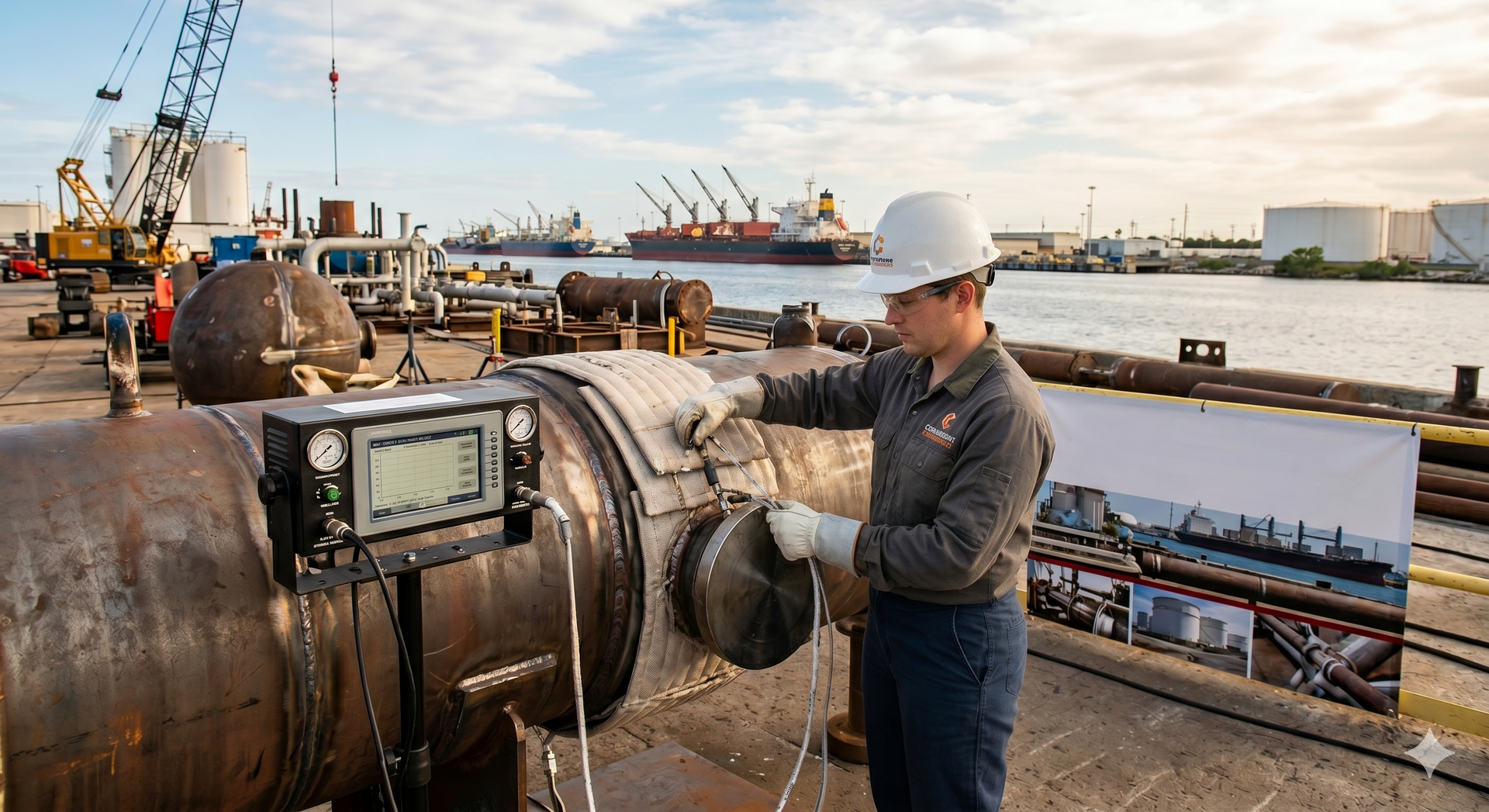
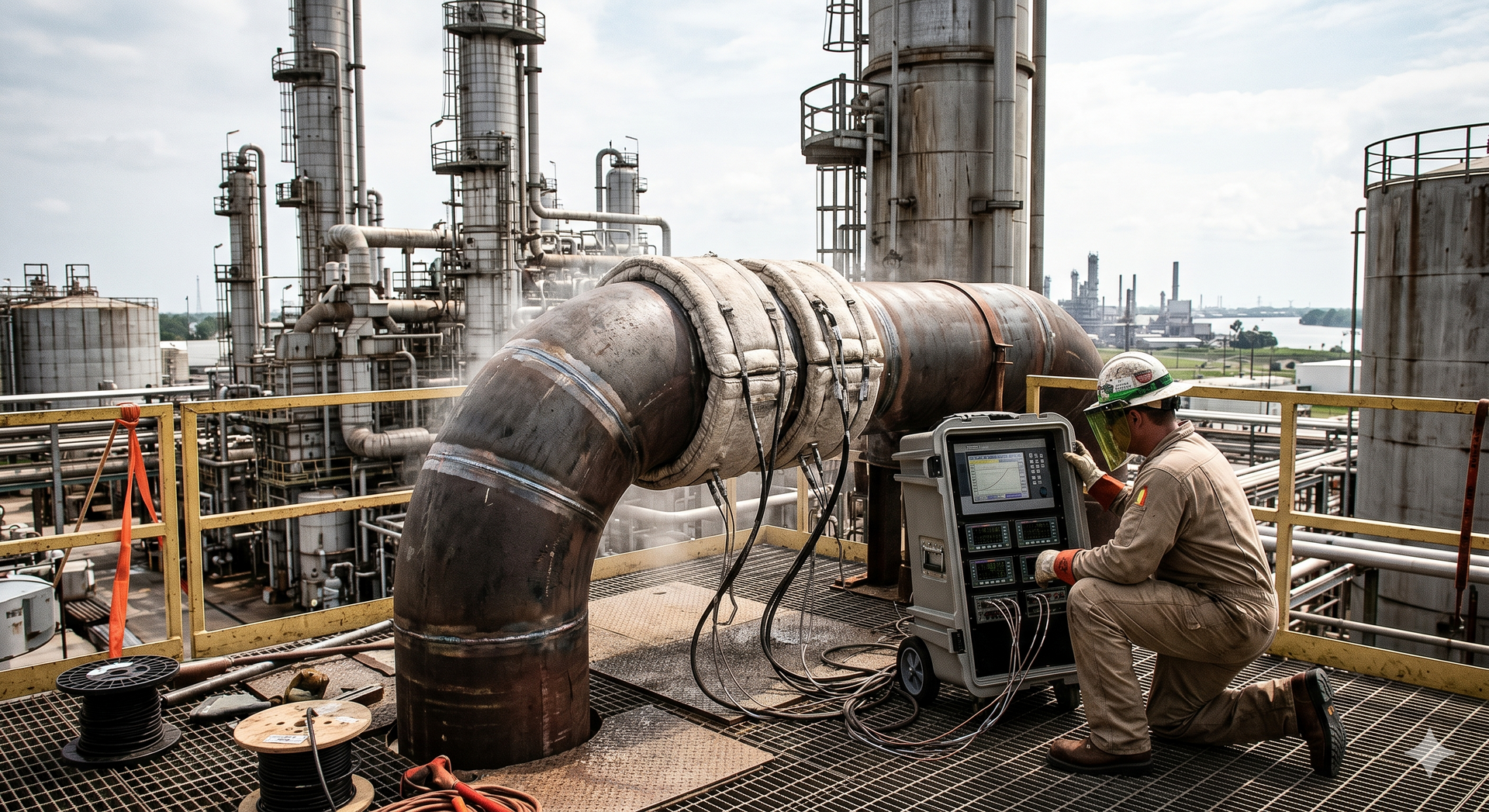
Pipelines, storage tanks, and machinery often require NDT to detect internal corrosion or fatigue that cannot be seen externally. Visual inspection alone would not provide sufficient information.
The Role of Certified Inspectors
Both visual inspection and NDT require skilled professionals, but NDT demands a higher level of training and certification. Certified technicians understand how to operate advanced equipment, interpret data, and provide accurate assessments.
Cornerstone Inspection & Thermal employs highly trained and certified inspectors who specialize in both visual inspection and advanced NDT methods. This ensures that every inspection is thorough, accurate, and compliant with industry standards.
Why Choose Cornerstone Inspection & Thermal?
When it comes to inspection services, experience and expertise matter. Cornerstone Inspection & Thermal provides:
- Comprehensive inspection services, including both visual inspection and NDT
- Certified technicians trained in multiple testing methods
- Advanced equipment for accurate and reliable results
- Detailed reports with actionable recommendations
- Commitment to safety, quality, and compliance
Whether you need a preliminary visual inspection or advanced NDT for critical structures, Cornerstone Inspection & Thermal delivers solutions tailored to your project.
Contact Cornerstone Inspection & Thermal
Ensure your project meets the highest safety and quality standards with professional inspection services
Phone: 225-235-4472
Email: terry@cornerstonendt.com
Website: https://www.cornerstonendt.com
Conclusion
NDT and visual inspection are both essential tools in the inspection process, but they serve different purposes. Visual inspection provides a quick and cost-effective way to identify surface defects, while NDT offers a deeper, more comprehensive analysis of structural integrity.
For critical applications, relying on visual inspection alone is not enough. Combining both methods ensures accurate results, improved safety, and compliance with industry standards.
By partnering with a trusted provider like Cornerstone Inspection & Thermal, you can ensure that every inspection is performed with precision and professionalism, protecting your investment and the safety of those who rely on your structures.